FOR IMMEDIATE RELEASE
JULY 12 2016
IWRC AND BRUWILD TO HOST WILDLIFE RESCUE CLASS IN BRUNEI
BANDAR SERI BEGEWAN, BRUNEI DARUSSALAM — The International Wildlife Rehabilitation Council (IWRC) and the Brunei Biodiversity & Natural History Society (BruWILD) have teamed up to provide wildlife rescue and rehabilitation training in Brunei. IWRC instructors will travel to Brunei July 25th through 30th to teach courses to 30 participants consisting members from BruWILD, the Wildlife Division (Ministry of Primary Resources and Tourism), Universiti Brunei Darussalam and International School Brunei at the Faculty of Science laboratories, Universiti Brunei Darussalam.
Funded by the US Embassy and supported by the Brunei Wildlife Division (MPRT), Universiti Brunei Darussalam, and International School Brunei, this training event is the culmination of a year’s collaboration between Liaw Lin Ji, founder and president of BruWILD, and Kai Williams, executive director of The IWRC.
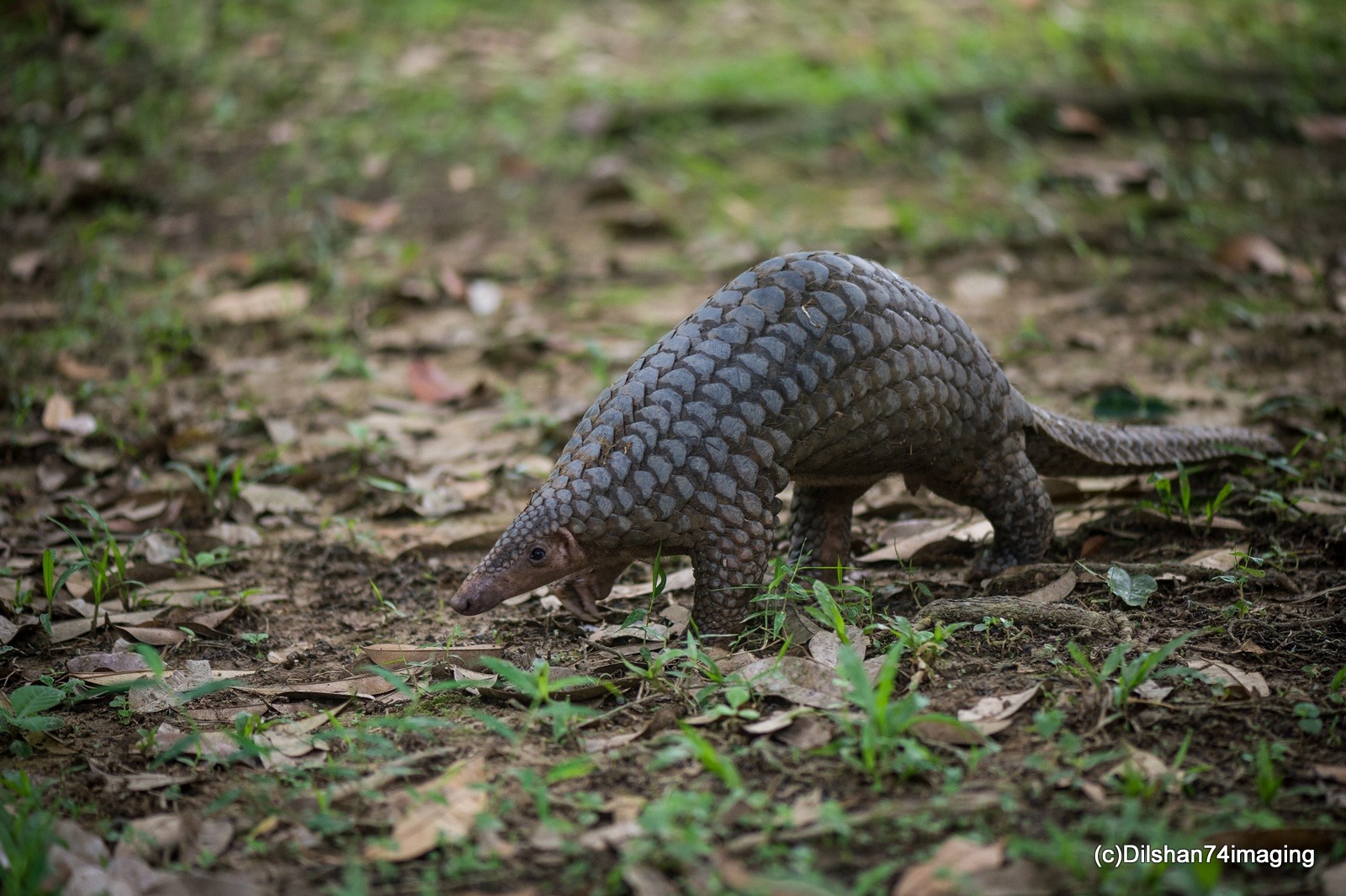
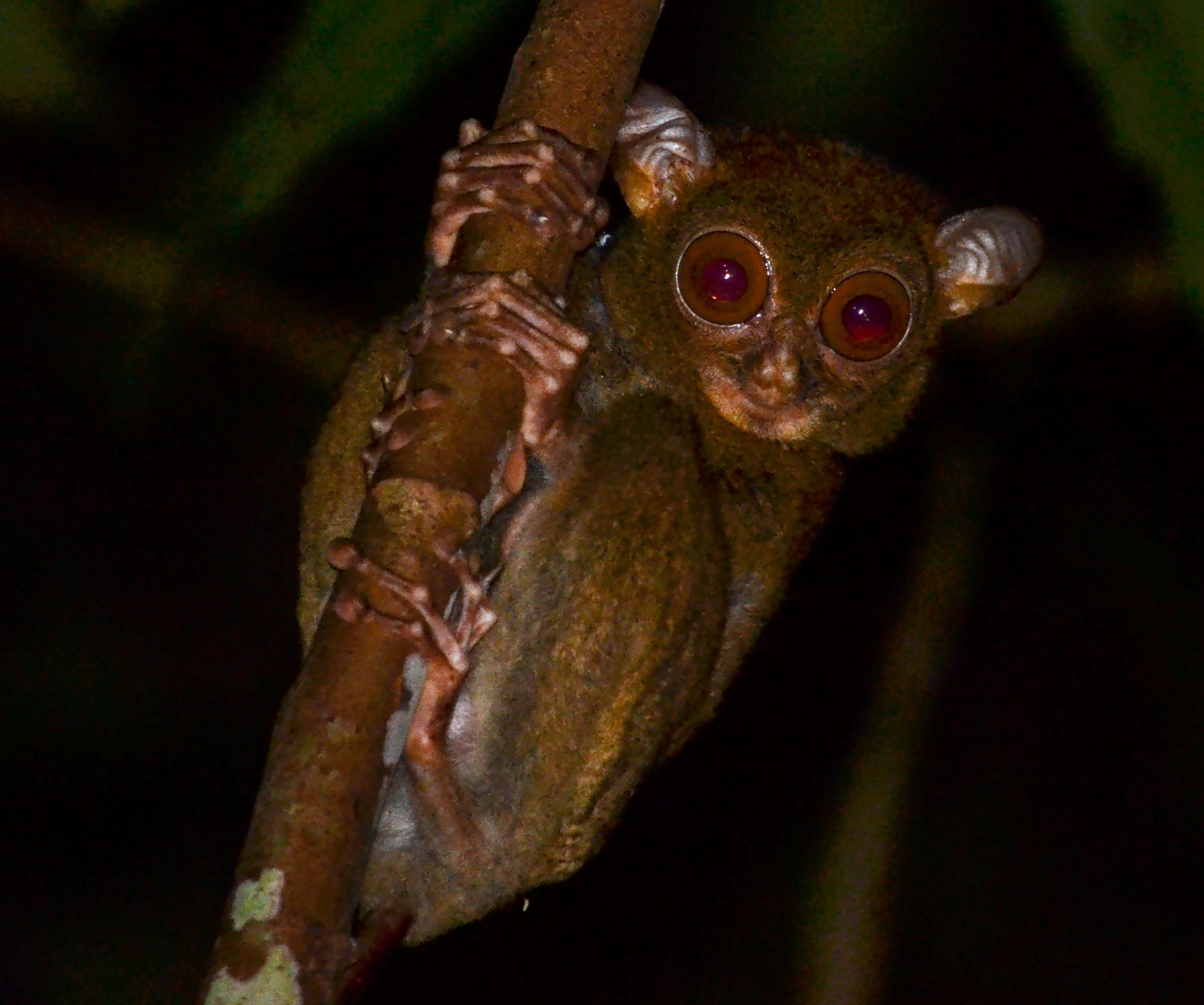
Expanding human development and loss of forest habitats in Brunei Darussalam have forced many wild animals to encroach onto the human environment. The public encounters more wildlife – often in situations of distress from cars, windows, and other human infrastructure, plus greater prevalence of poaching. Animals found dead by roads or caught in the possession of poachers include the silvered-leaf langurs, otters, slow loris, pangolins, among others. This is a matter of concern as some of these species are of conservation significance and regarded as IUCN ‘Endangered’ or ‘Critically Endangered’.
“The increased encounter of injured wildlife in Brunei requires the urgent need of a proper wildlife rescue and rehabilitation center and a team of trained wildlife rescue and rehabilitators. Realising this necessity, BruWILD has engaged IWRC for their kind assistance in the training and the Wildlife Division for their long-term support in this endeavour.” Through this training, Brunei is equipped with at least 30 trained individuals who can work towards the rehabilitation of Brunei’s wildlife. “We are thankful for the good support from the US Embassy Brunei whose funds enable the realisation of this project, and to UBD and ISB for their support and assistance.”
“We are thrilled to assist BruWILD with their enormous undertaking to provide a trained and effective wildlife rehabilitation team in the country of Brunei” says Williams. “These are some of the best possible circumstances for a training; where we can combine in situ knowledge of wildlife with our instructors’ expertise in wildlife rehabilitation”.
IWRC instructors, Dr Kelli Knight and Lloyd Brown, both Certified Wildlife Rehabilitators (CWRs) are excited to teach Brunei’s conservation biologists the skills and techniques of wildlife rehabilitation while in turn learning about the local ecosystem.
The week will begin with IWRC’s two day flagship course, Basic Wildlife Rehabilitation and will continue with courses in pain management, wound management, parasitology, and zoonoses all geared towards the particulars needed in wildlife rehabilitation. Friday brings special sessions on disaster management, an area of expertise for Brown who has worked in human and animal disaster management for over [x] years, and the public/wildlife interface, an area both instructors are active in every day. In all, participants will gain over 40 hours of continuing education.
Located on the island of Borneo, Brunei is a resource rich country with a vibrant diversity of tropical wildlife ranging from inhabitants of the ocean and mangrove swamps along the coast to primary forests in the hilly inland stretches. We are proud to be working towards the protection of these invaluable habitats for the benefit of the country and its people.
-###-
BruWILD is a local non-government organisation officially formed in April 2014. BruWILD consists of graduates who are biologists with numerous backgrounds of expertise; including botany, herpetology, ornithology, mammal specialist, biochemistry, ecology, and marine life specialist. BruWILD’s aim is to build a future for Brunei where people and nature, sustainable development and natural heritage can coexist and thrive to mutual benefit. It is our mission to provide the best educational support to all local institutions in Brunei Darussalam. Our foundation that is built on the diverse experience and expertise of biologists allow us to also engage, participate and collaborate with government institutions and other non-government bodies in solving, mitigating numerous environmental related problems.
The IWRC is a 501(c)(3) nonprofit organization that protects wildlife and habitat through training and resources on wildlife rehabilitation. The organization’s mission statement is “providing science-based education and resources on wildlife rehabilitation to promote wildlife conservation and welfare worldwide.” Wildlife rehabilitation is the act of providing temporary care for injured, sick or orphaned wildlife with the goal of releasing them back into the wild. By providing unique insights into issues affecting wildlife populations, species, and habitats wildlife rehabilitation contributes to wildlife conservation and protection worldwide.
International Wildlife Rehabilitation Council
Contact: Kai Williams, Executive Director
Office: (866) 871-1869
Fax: (408) 876-6153
Email: director@theiwrc.org
BruWILD
Contact: Liaw Lin Ji, President
Office: (673) 886-9729
Email: bruwildorg@gmail.com
PDF of Brunei Press Release (no Images)
Images for Press Release
Leave a Reply
You must be logged in to post a comment.