Incoming Board Member Interview

Cassie is an attorney and small mammal wildlife rehabilitator who joined the IWRC board in December 2025. In addition to offering a unique legal perspective to the IWRC board, she is dedicated to providing support to vulnerable and underserved populations, and is passionate about solving challenges through collaboration.
Welcome to the IWRC Board Cassie! Can you share how and why you decided to jump in and contribute at the board level?
My background as a lawyer and military officer taught me to value standards and frameworks that define quality work. When I started, I knew I wanted to engage with IWRC and NWRA, wildlife rehabilitation’s central professional bodies.
I started with Wildlife Rescue League of Northern Virginia doing transports, which led to IWRC classes and conferences. As my hands-on experience grew, IWRC provided the broader framework and international perspective I needed to develop as a rehabilitator.
Joining the board felt like a natural progression: contributing to the same standards and support systems that helped me grow and working to ensure those resources remain accessible to the next generation of rehabilitators.
So many of us can trace our passion for wildlife back to our childhoods. How did your personal relationship to this work develop?
I grew up reading Beatrix Potter, Wind in the Willows, Watership Down, and Charlotte’s Web: stories that treated individual animals as having complex inner lives and stories that mattered. That early reading cemented a belief that each animal’s life has inherent value, not as part of a collective or species, but as an individual.
Growing up has meant navigating the tension between that empathy and the realities of triage and limited resources, but I’ve never wanted to lose that fundamental conviction. It shapes how I approach rehabilitation: seeing the squirrel in front of me, not just ‘a squirrel.’
Now, as an adult, how do you see your interests and goals intersecting with IWRC’s Mission?
My passion is connecting people from diverse backgrounds with opportunities in wildlife rehabilitation. This work is transformative: providing care to others gets you outside yourself in profound ways.
For some people, caring for animals is the first genuine care they’ve experienced. People can learn about loving themselves by loving something outside themselves, then learning to let that being grow and succeed on its own terms.
What makes wildlife rehabilitation beautiful is that when it works, the relationship ends with a wild animal living free. You don’t domesticate the animal; you show love by helping it attain independence. That’s a powerful model, that care doesn’t mean control or possession. When it doesn’t work out, that’s its own lesson: that wanting something isn’t enough, but that the grief can’t immobilize you because the need is ongoing.
As a board member, I’m particularly interested in developing resources and pathways that make wildlife rehabilitation more accessible: lowering barriers, providing mentorship, and creating entry points for people who don’t already have connections or resources.
If you could choose, who would you have as a mentor?
Karen Lamb, my sponsor at Nirvana Ridge Wildlife Refuge. Sponsoring apprentices is thankless work, even more so than rehabilitation itself. It’s necessary for state permitting, but it comes with exponentially more paperwork and liability.
Karen took a chance on me when I first expressed interest, and I’m deeply grateful. Her rescue operation runs around the clock, and she inspires me daily with the quality of care she provides and her willingness to grow the profession.
It’s tough to take a chance on someone you don’t know and invest significant time in them. The apprenticeship process is long and requires real commitment from both parties. I hope more wildlife rehabilitators will follow Karen’s example, because that willingness to mentor is how we build the field and make it accessible to people who don’t already have connections. She embodies what I believe about this work: that it’s worth sharing, even when it’s difficult.
If you could be a wild animal, which would you be?
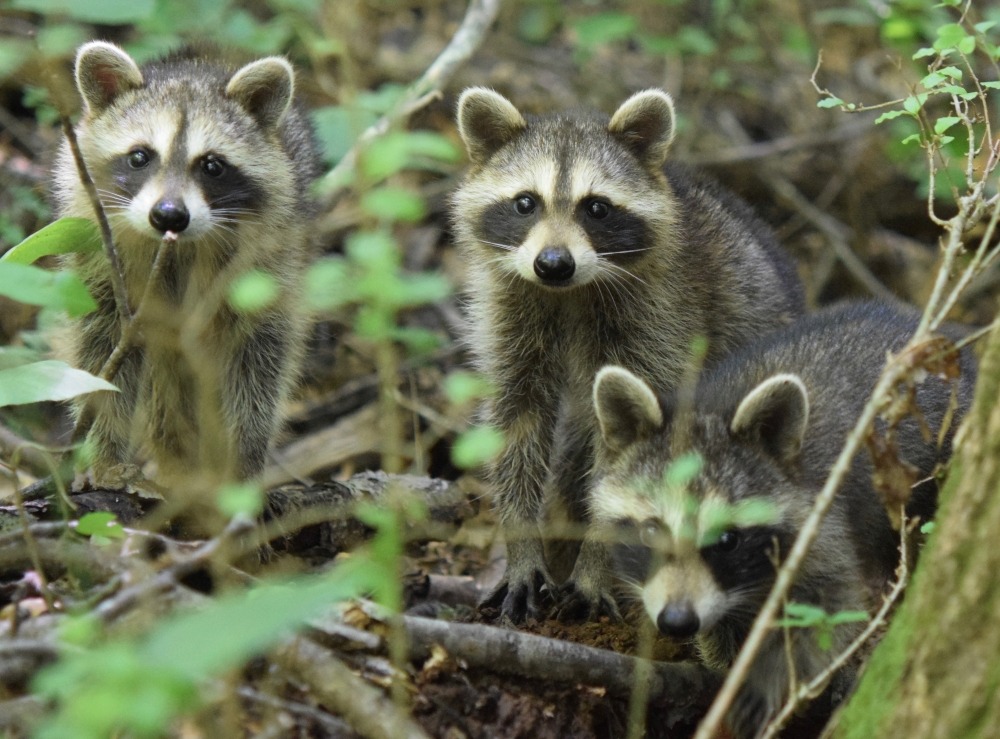
A raccoon, without question. They’re brilliant problem-solvers that aren’t slowed down by their lack of opposable thumbs, they eat absolutely everything without judgment, and they have a well-deserved reputation for being equal parts charming and chaotic. They’re also one of the few animals that genuinely thrives in human environments while remaining completely, unapologetically wild: they haven’t domesticated themselves to us, they’ve just decided we’re helpful.
Raccoons are brilliant, adaptable, and seem to have strong opinions about everything. They’ll look you dead in the eye while doing exactly what you told them not to do. I respect that energy. The mask is also very on-brand for someone with a legal background: built-in anonymity and plausible deniability.
Leave a Reply
You must be logged in to post a comment.