Exploring how species-specific diets, evidence-based feeding, and nutritional management shape wildlife recovery, veterinary treatment, and successful release into natural habitats.
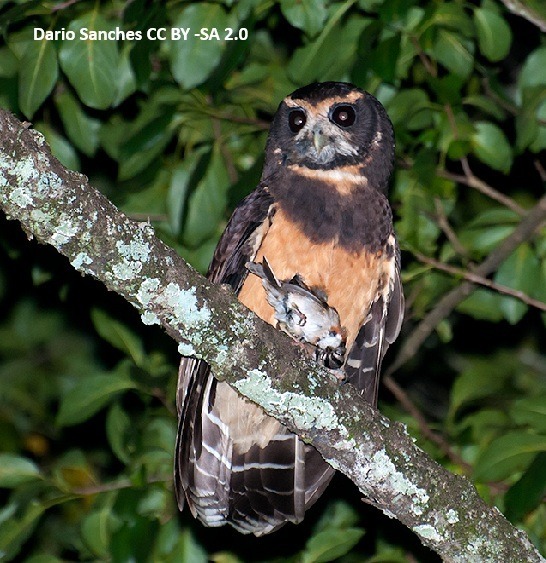
When a wild animal enters rehabilitation injured, stressed, underweight, or orphaned, one factor quietly shapes its entire recovery: nutrition. It influences how quickly animals heal, whether young animals grow normally, how strong their immune systems become, and whether they can survive on their own once released.
Nutrition is so foundational that it often determines the difference between a successful release and a life cut short. Yet, despite its central role, wildlife nutrition remains one of the least understood, least standardized, and most complex components of animal care.
Why Feeding Wild Animals Is More Complex Than It Appears
Feeding a wild patient is never as simple as providing calories.
Every species has its own digestive physiology, natural diet, foraging behaviors, and ecological context. These factors shape not only what an animal needs to eat, but also how, when, and why it eats.
Unlike domestic species or livestock, wildlife care professionals cannot rely on commercial formulas or ready-made diets, since many natural foods are not available in captivity. Others require intricate preparation. Nutritional needs change dramatically between growth stages and recovery phases.
This creates real challenges for wildlife professionals:
- Species-specific diets are difficult to replicate in captivity.
- Recovery stages require precise nutritional adjustments.
- Inadequate diets can cause long-term physiological harm.
- Natural feeding behaviors must be preserved for release readiness.
- Many rehabilitators do not have access to formal nutrition training.
Our editor, Stephanie Herman, CWR, captures it clearly: “Good nutrition is hugely impactful for animal health and recovery. Choosing the right foods can make the difference between life and death.”
Nutrition is not simply supportive care. It is core, essential, and transformative.
The Often Overlooked Link Between Nutrition and Release Success
Nutrition shapes far more than immediate stabilization. It determines whether an animal is truly ready to return to the wild.
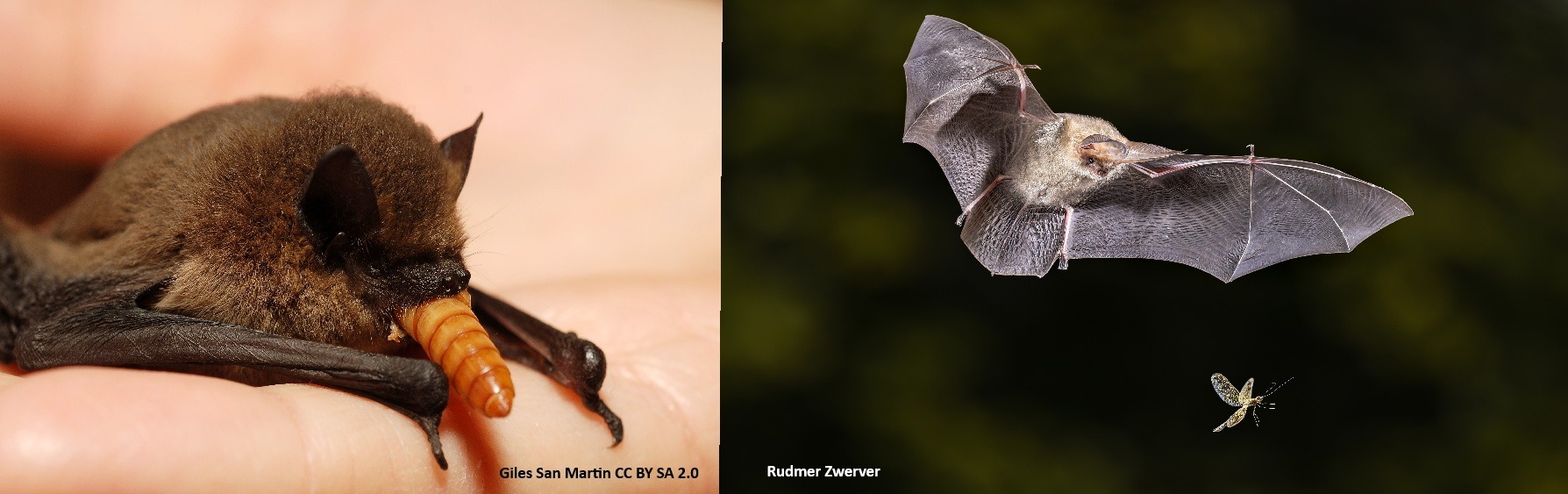
The quality of a diet affects immune function, disease resistance, healing, tissue repair, early growth, and skeletal development. It also shapes natural behaviors such as foraging, hunting, and developing appropriate digestive conditioning. These factors determine how well an animal can adapt once released.
Comparative nutritionist Dr. Ellen Dierenfeld emphasizes that recovery quality depends on how closely diets align with species’ natural history and ecological needs. When nutrition is misaligned, problems may not appear until after release. When it is right, its impact is visible in survival, resilience, and adaptability.
Nutrition is not an isolated component. It is the thread that connects every stage of rehabilitation.
A Global Effort to Close the Knowledge Gap
Wildlife professionals around the world face the same challenge: finding practical, science-based guidance that supports good feeding decisions for a wide range of species. Many existing resources are either too theoretical or created for long-term captive settings, leaving rehabilitators and veterinarians without tools tailored to temporary care, rapid medical changes, and the specific preparation needed for release.
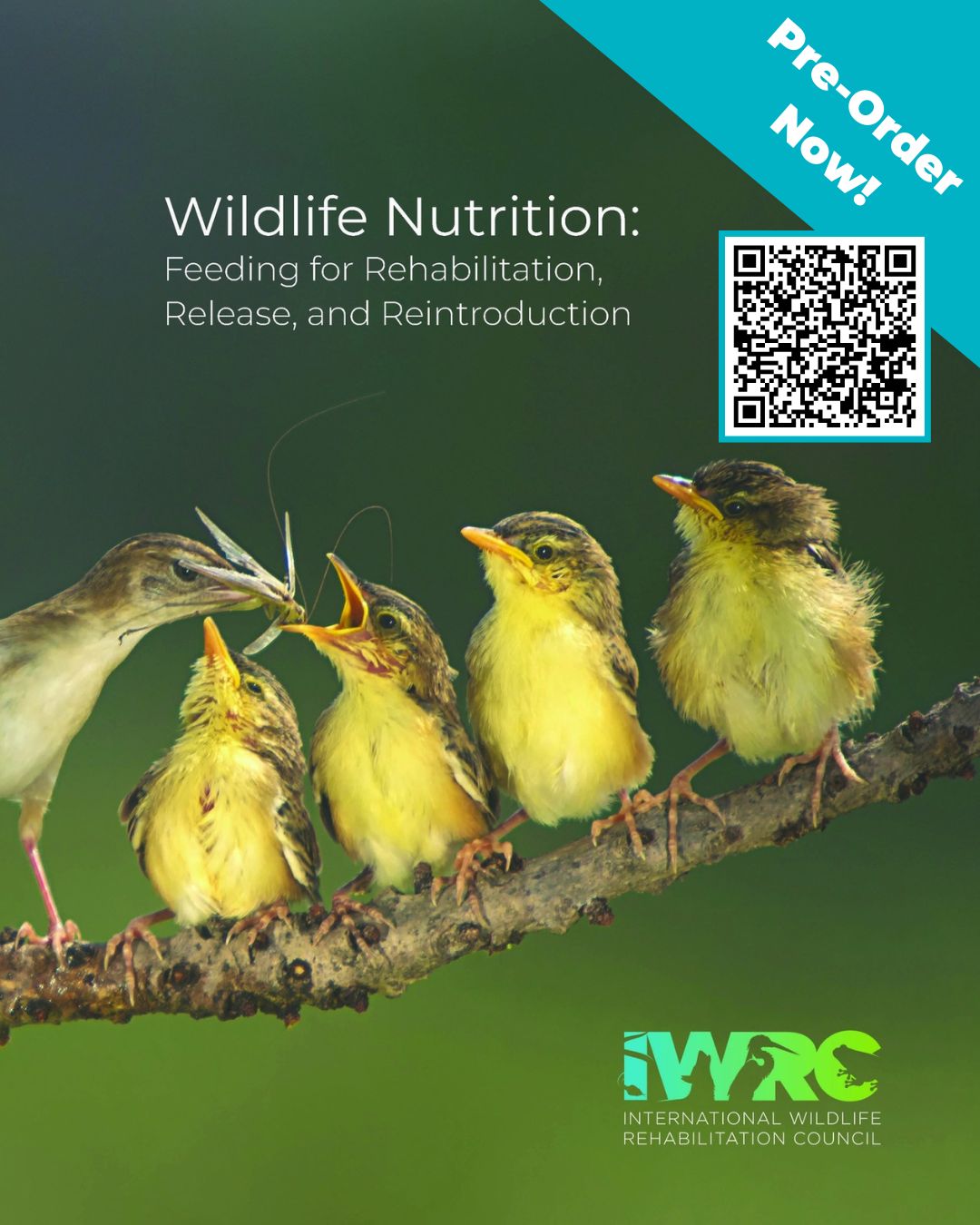
Wildlife Nutrition: Feeding for Rehabilitation, Release, and Reintroduction was developed to meet that need. The book blends scientific principles with real-world experience, offering clear guidance on evaluating diets, adapting feeding plans through different stages of care, and understanding how natural history and physiology shape nutritional needs.
Its strength comes from the diversity of voices behind it. Wildlife rehabilitators, veterinarians, comparative nutritionists, and conservation specialists contributed their expertise, bringing examples from different regions, species, and clinical realities. Together, they highlight a shared truth: good nutrition directly influences recovery, behavior, and post-release success.
This collaborative effort reflects a global commitment to improving wildlife rehabilitation standards. By making nutritional knowledge more accessible and applicable, the book supports one mission: helping more wild animals return to their natural environments healthy, capable, and resilient.
Strengthening the Future of Wildlife Care Through Better Nutrition
As wildlife rehabilitation expands worldwide, environmental pressures increase admissions, and species vulnerabilities grow more complex. Improving nutritional practices is one of the most powerful ways to raise care standards, strengthen conservation efforts, and increase long-term survival.
Better nutrition leads to:
- Healthier patients
- Stronger recoveries
- More successful releases
- Higher post-release survival
- More resilient ecosystems
This upcoming IWRC resource was created with one purpose: to empower wildlife professionals with the clarity, confidence, and scientific grounding they need to make the best possible feeding decisions, no matter the species, setting, or challenge. “Wildlife Nutrition: Feeding for Rehabilitation, Release, and Reintroduction” is coming May 2026. PREORDERS ARE OPEN NOW. Watch this space for more insights, excerpts, and updates soon!
Leave a Reply
You must be logged in to post a comment.