For the first time ever, bird flu has reached all seven continents. An Australian volunteer team spent two years preparing for its arrival, sharing their experience from the front lines of one of the world’s most vulnerable wildlife populations.
On June 14th, 2026, a member of the public called Lori-Ann Shibish, a wildlife rehabilitator, with a routine request. A sick seabird had been found in the water, and they were bringing it in.
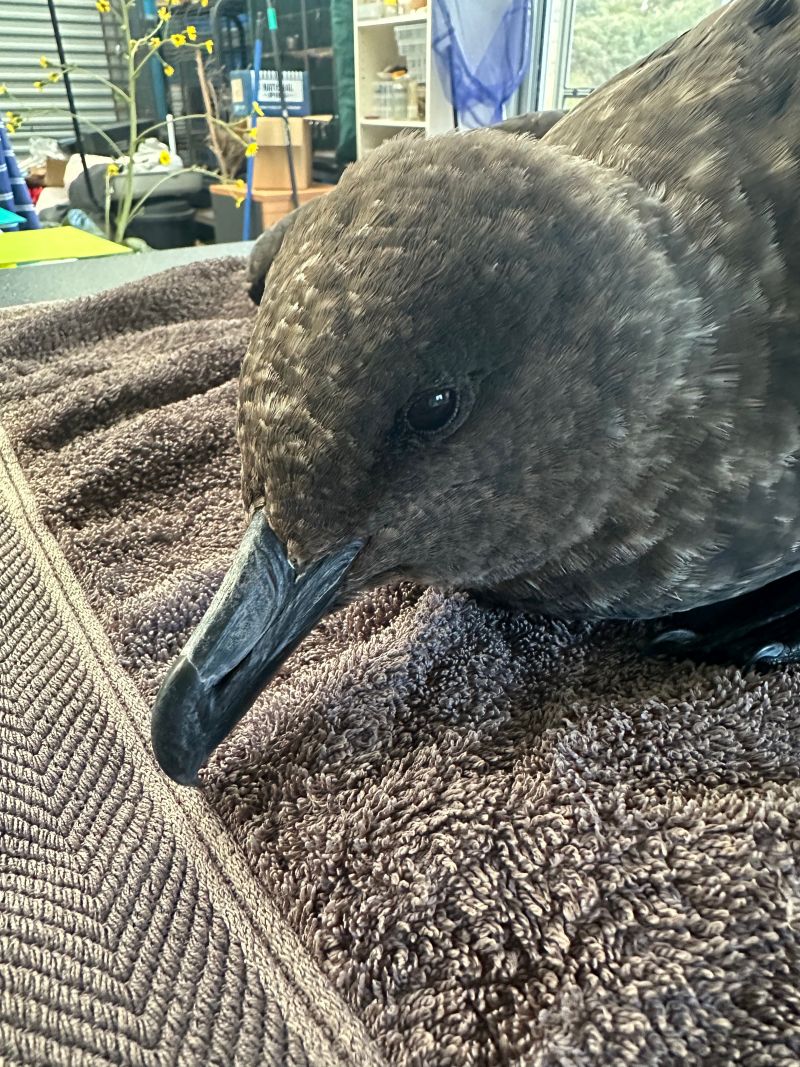
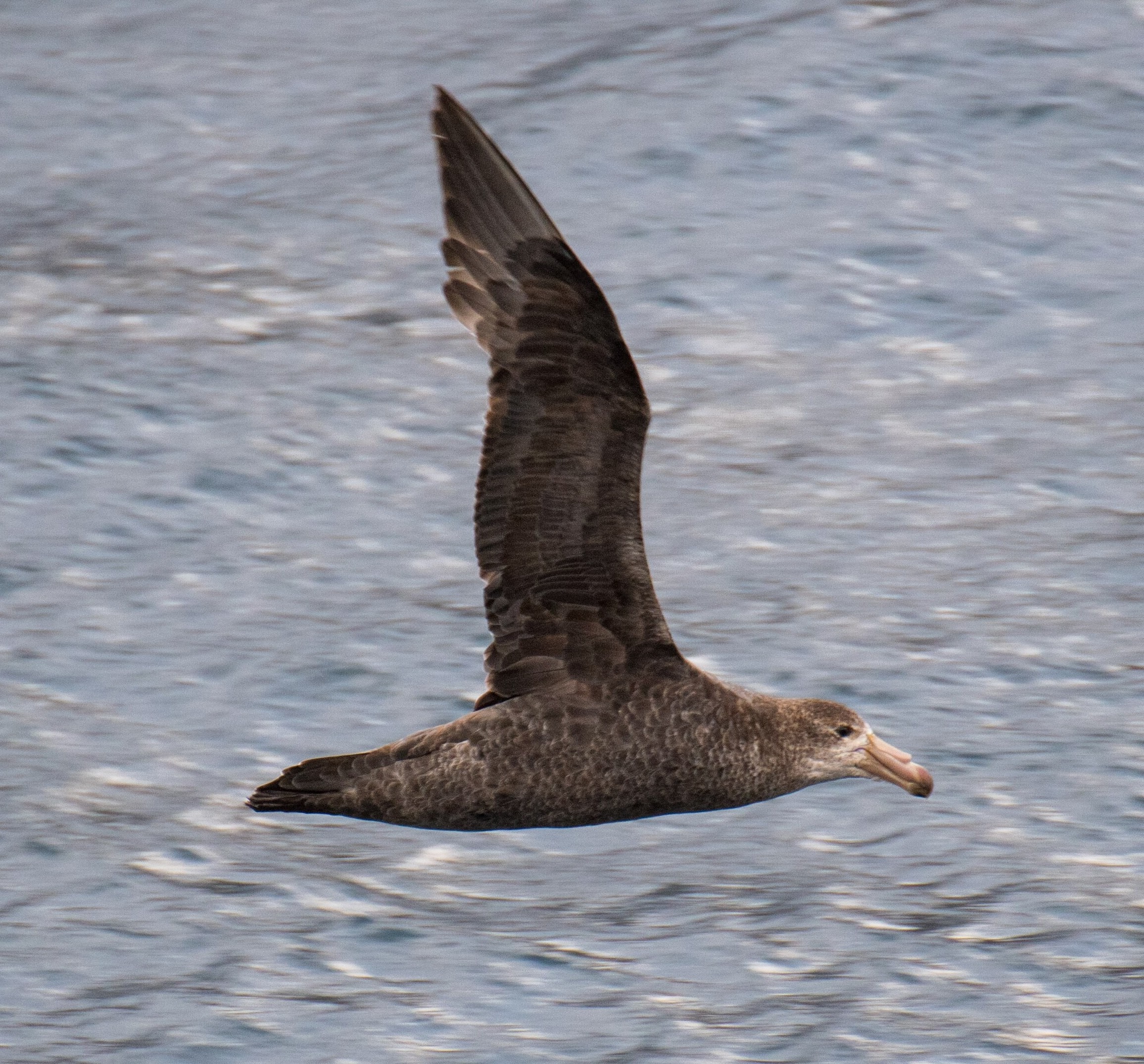
Antarctic Skua
Lori-Ann Shibish
Esperance Wildlife Hospital & Sanctuary
When the bird arrived at Esperance Wildlife Hospital and Sanctuary Inc., on the remote south coast of Western Australia, Lori-Ann, director of the sanctuary, immediately suspected something was off.
“It’s not a bird that we’d ever seen here on our coast before,” she recalls. “It was a sub-Antarctic skua.”
That bird, a species that breeds and inhabits the sub-Antarctic islands thousands of kilometers away, would become the first confirmed case of H5N1 avian influenza ever to reach Australian shores, signaling the virus’s presence on all seven continents.
Two Years of Preparation
What happened on that day was something that the team at Esperance Wildlife Hospital had spent two years preparing for. They had watched the H5N1 virus spread around the world and understood that Australia’s isolated wildlife populations were uniquely vulnerable.
In November 2024, the sanctuary’s staff underwent specialized training through Murdoch University on how to handle suspect H5N1 birds. Biosecurity protocols were pre-established as part of the preparation, and then, in March 2025, an uncommon visitor put them on high alert.
A king penguin arrived on the Western Australian shore, having made the extraordinary 4,000-kilometer journey from the sub-Antarctic islands. “We realized this is the first time that a bird from the sub-Antarctic islands had made that journey and reached our shores,” Lori-Ann explains. “And we know that…avian influenza is quite active in those islands.”
The penguin tested negative, but it signaled what was coming: migratory birds from known H5N1 hotspots were now reaching Australian shores.
The First Case
When the skua arrived, Lori-Ann immediately initiated biosecurity protocols and tested the bird. Unfortunately, the bird did not survive. The test came back positive, making it the first confirmed case of H5N1 avian influenza ever recorded in Australia. Government authorities from the Department of Primary Industry and Regional Development were notified and asked the sanctuary to preserve the carcass for further strain analysis.
The following Thursday, a giant petrel arrived at the sanctuary, another vagrant seabird that had made the thousands-kilometer journey to the same stretch of coastline, and it also tested positive for the virus.
Australia now had two confirmed cases within a week of each other, both identified by the same team of volunteers at a non-profit sanctuary on the south coast, confirming that the situation was far more serious than a single isolated case.
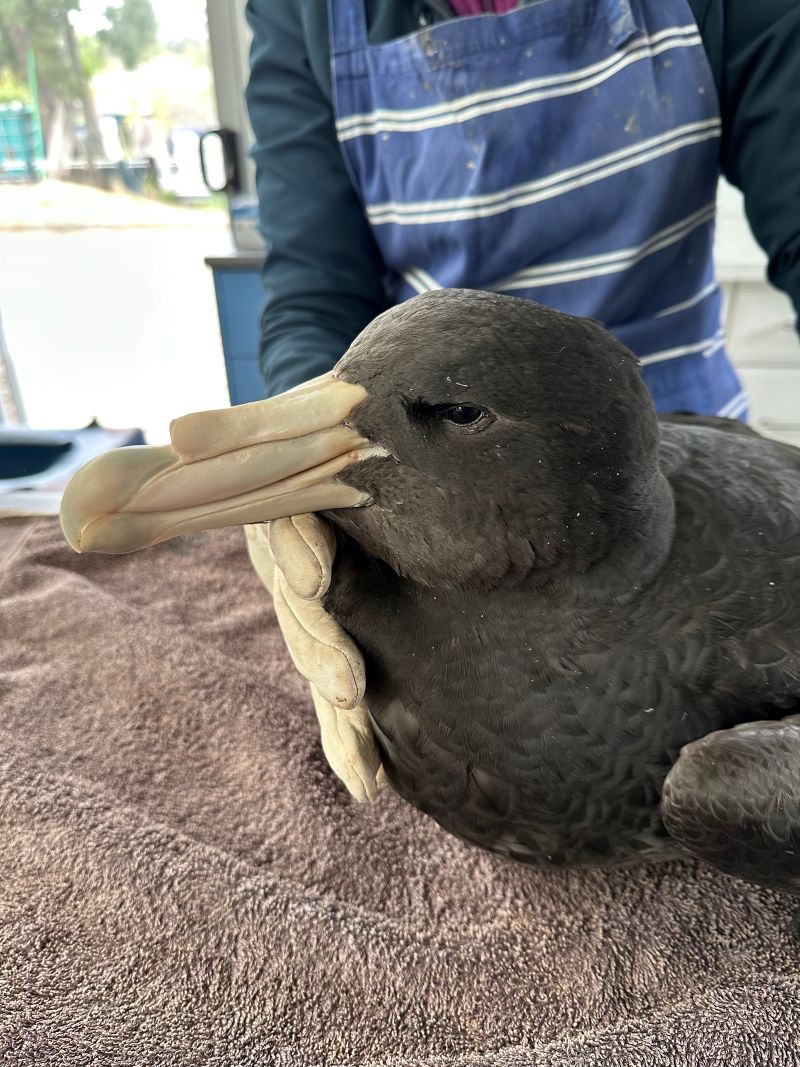
Giant Northern Petrel
Lori-Ann Shibish
Esperance Wildlife Hospital & Sanctuary
What is H5N1?
For better understanding, H5N1 is a strain of Highly Pathogenic Avian Influenza (HPAI), a severe form of bird flu that spreads rapidly and causes high mortality in bird populations.
Unlike other strains, H5N1 has shown the ability to jump between species, affecting wild birds, mammals, and in rare cases, humans. Since 2021, the current global outbreak has been responsible for mass die-offs across wild bird and mammal populations worldwide, making it one of the most concerning wildlife health threats in recent history.
Despite ongoing global surveillance and response efforts, H5N1 has continued to spread across six continents, arriving in Australia for the first time in June 2026.
Why Australia’s Wildlife Is So Vulnerable
Avian influenza strains have circulated globally for approximately 150 years, first detected in Italy in the 1800s as what was then called “fowl plague.” The virus has mutated significantly over decades, and the current strain has caused mass casualties worldwide, including an estimated 13,000 elephant seal pups and hundreds of thousands of seabirds in the sub-Antarctic islands.
Australia previously managed an outbreak of the H7 strain in eastern poultry flocks two years ago, which was contained and eradicated. But H5N1 is a different threat. Avian influenza has never reached Australia’s wild bird populations in this form before, leaving them with no built-up immunity and making them particularly vulnerable.
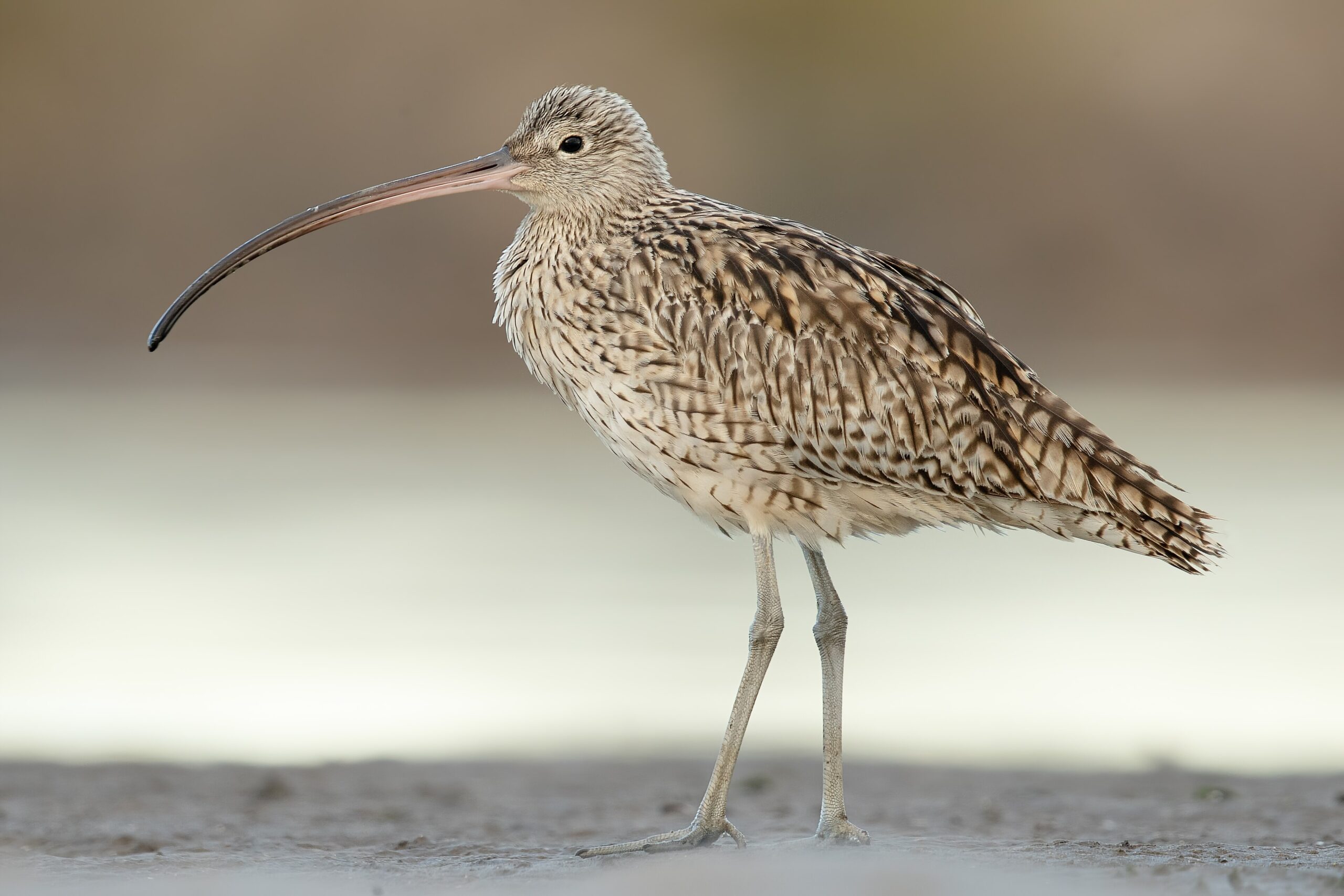
JJ Harrison,
CC BY-SA 4.0,
via Wikimedia Commons
“Some of our bird life is critically endangered,” Lori-Ann explains, “and this sort of pressure on top of pressures they are already experiencing could be devastating.”
Meanwhile, the transmission picture is also evolving. While the few known human cases have involved close contact with infected domestic fowl, and mammals are generally considered dead-end hosts, there have been two cases of human-to-human transmission. H5N1 has shown it can mutate through intermediary hosts. In the United States, it infected dairy cows, and a dairy worker was subsequently infected. There is also evidence of transmission through cats. While the primary concern is the impact to wild bird populations, it is also crucial to minimize opportunities for the virus to mutate, to prevent a strain from developing that would be more dangerous to other species, including humans.
Analyzing this scenario, Lori-Ann emphasized that feral animal management, particularly of foxes and cats in the Australian landscape, will be critical in preventing the virus from spreading inland.
Wildlife Rehabilitators as the First Line of Defense
As we can see, Lori-Ann’s experience is a powerful illustration of the role that wildlife rehabilitators play in global disease surveillance, a role that is often invisible to the public and underfunded by governments.
“Wildlife carers are often the first to notice when something is wrong in the wild,” She reflects. “Our preparation and our familiarity with the birds of our region is what allowed us to identify this early on.”
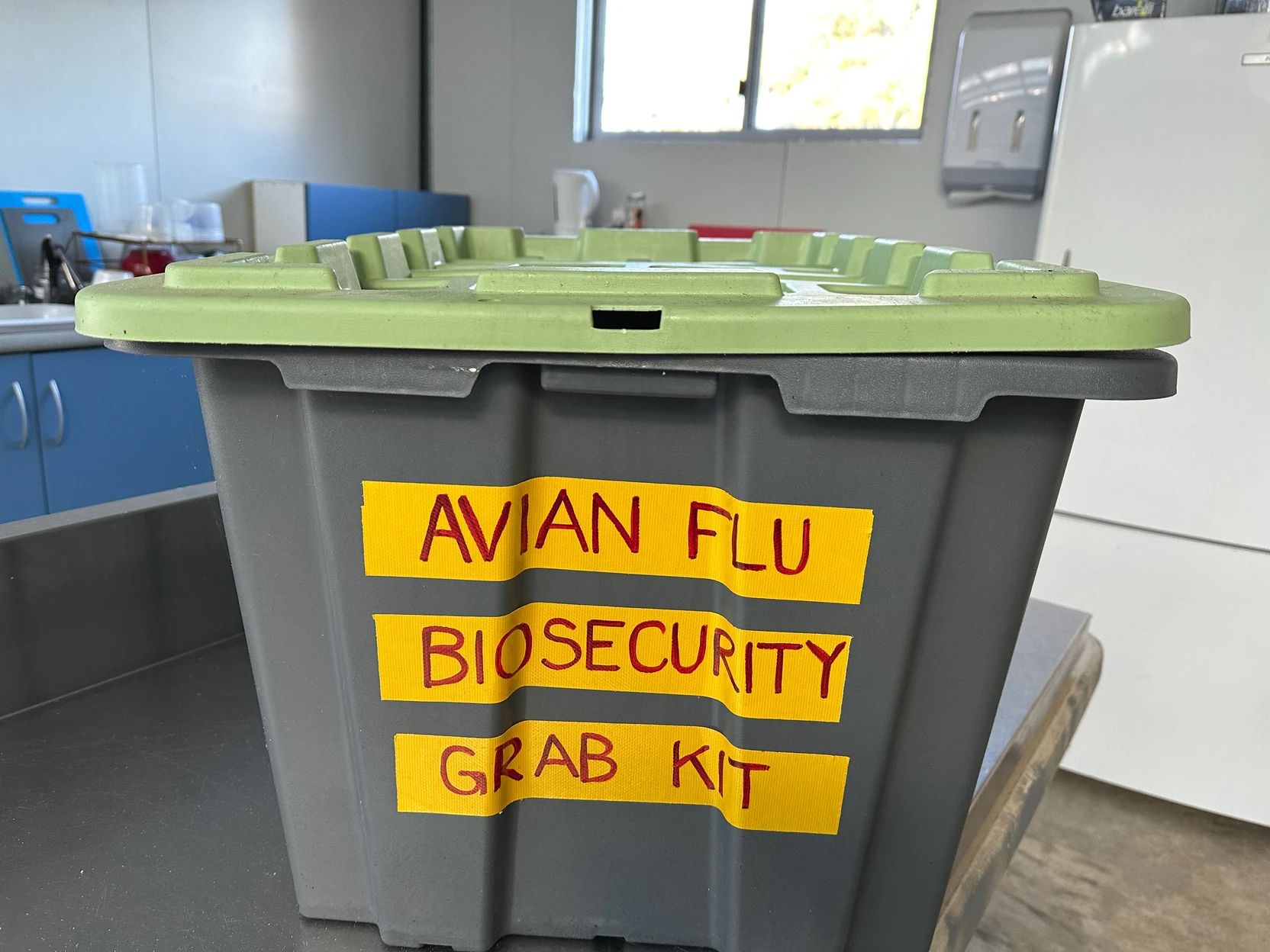
Esperance Wildlife Sanctuary
and the journey to a purpose-built facility
But identifying the virus was only part of the challenge; the sanctuary will begin receiving more potential cases. To protect their personnel and prevent cross-contamination, they have built two biosecurity units. But they cannot use them yet. Lori-Ann traces the hold-up back to Australia’s housing crisis that has left building surveyors unavailable, making it impossible to obtain the necessary certification.
“These should have been operational four months ago,” Lori-Ann says. “Without these two critical security assets functional, we have a great risk of being unable to contain the virus.”
Additional cases have since been confirmed in the area, and the sanctuary continues operating without the infrastructure needed to address the H5N1 threat.
What the Public Can Do
Australia’s vast and remote coastline makes community involvement an essential part of the response. Australian National and State Government agencies are asking for the public to remain vigilant to help the surveillance effort.
So, if you are in Australia and find a sick or dead seabird on the beach, here are some recommendations:
- Avoid – Do not touch the bird or allow pets to go near it
- Record – Take a picture or video of the bird
- Report – Call the Emergency Animal Disease Hotline: 1800 675 888
“We really need the community to be involved in the response,” Lori-Ann says. “If we can stop the virus from getting inland and coming into contact with foxes and cats, we can hopefully hold back the incursion for a period of time.”
Community reporting is a form of passive surveillance that has proven critical in tracking the virus’s movement along remote coastlines where government agencies cannot reach.
For more information and current updates, visit:
A Message to Wildlife Rehabilitators Worldwide
For wildlife rehabilitation professionals following this situation from around the world, Lori-Ann has a direct message:
Educate yourselves on current global H5N1 hotspots and mass mortality events. Understand how the virus spreads and take steps to protect yourselves, your poultry flocks, and your domestic animals. If you have experience dealing with H5N1 in your own region, share it. That knowledge is invaluable.
“Open communication between rehabilitators is critical,” she says. “If this is not shared, if there are cases that go undetected, we lose the communication and everything is lost. We depend on information and sharing information.”
The wildlife sector in Western Australia is under severe strain. Like many places in the world, organizations depend on volunteers, not-for-profit, and currently receive no government funding to manage their H5N1 response. If you or your organization can offer support, the Western Australian wildlife community would be, in Lori-Ann’s words, “heartfelt thankful.”
Read more about how you can help Esperance Wildlife Sanctuary here: www.esperancewildlifesanctuary.com
About IWRC
The International Wildlife Rehabilitation Council is a nonprofit organization that supports wildlife rehabilitators and the animals they care for through education, connection, standards, and research. You can learn more about IWRC’s work by visiting theiwrc.org
IWRC has been working to support Australia’s wildlife rehabilitators through the H5N1 response, providing resources and guidance to help protect volunteers, patients, and wild populations. To stay informed on HPAI developments and wildlife health resources, sign up for our mailing list.
On August 5th, 2026, IWRC is hosting an information sharing session on H5N1 featuring an international panel of wildlife rehabilitators and avian influenza experts. You can register to attend this free event here.
Written by Anna Carolina Correa
Leave a Reply
You must be logged in to post a comment.