Incoming Board Member Interview
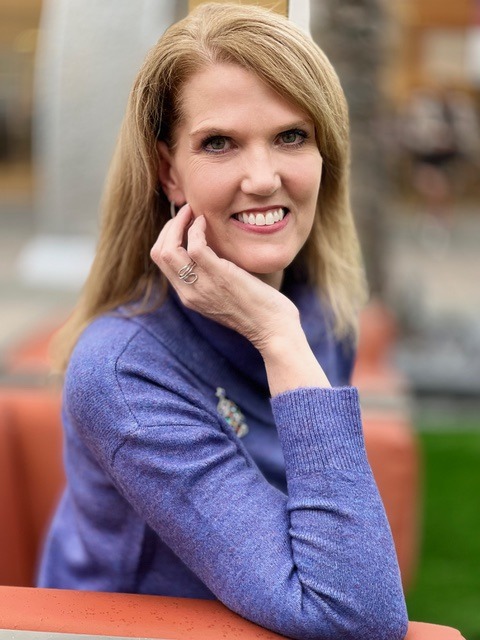
Karen is a wildlife rehabilitator and has many years of experience as a leader of businesses, nonprofits, and political action initiatives. She is excited to use her leadership skills to make a difference for IWRC and the wildlife rehabilitation community.
Welcome to the IWRC Board Karen! Can you share how and why you decided to jump in and contribute at the board level?
I initially became involved with the IWRC as I looked for ways to grow both my knowledge and impact within wildlife rehabilitation. As I became more hands-on in the field, I wanted to connect with a broader community of professionals, stay informed on best practices, and continue learning from others who share the same passion and dedication. As part of the process of becoming a licensed rehabilitator, I completed coursework offered through the IWRC, which gave me an even greater appreciation for the organization’s role in education and setting standards within the field.
Through that experience, I realized how important it was to involve myself as much as possible—not only to continue building my skills, but also to form meaningful relationships within the wildlife rehabilitation community. It reinforced my desire to both keep learning and give back to what I think of as our shared “wildlife family.”
Choosing to become involved at the board level felt like a natural next step. I wanted to contribute beyond my individual work and help support the larger mission—strengthening resources, education, and advocacy for wildlife rehabilitation. Serving in this capacity allows me to give back to a community that has helped shape my journey, while also helping guide and support others who are just beginning or continuing along the same path.
How do you see your interests and goals intersecting with IWRC’s Mission?
One area I’m especially passionate about within IWRC’s mission is education—both for rehabilitators and the public. I’ve seen firsthand how access to the right knowledge, techniques, and support can directly impact outcomes for wildlife. Whether it’s proper handling, species-specific care, or understanding when intervention is truly needed, education is at the core of effective rehabilitation.
I’m also deeply interested in strengthening connections within the wildlife rehabilitation community. Building relationships between rehabilitators, veterinarians, and the public creates a more supportive and informed network, which ultimately benefits the animals we care for. I believe that when we share knowledge and experiences, we elevate the standard of care across the board.
That combination of education, collaboration, and compassionate care is what drives me, and it aligns closely with IWRC’s mission to advance wildlife rehabilitation and promote the well-being of wildlife worldwide.
Are there any skills you’ve found surprisingly useful in your work as a wildlife rehabilitator?
One skill that has been surprisingly useful in my work as a wildlife rehabilitator is patience—something I truly developed through owning and running a business in a high-stress environment. There were many moments where I had to slow down, stay grounded, and work through challenges without letting pressure take over, and that mindset has stayed with me.
I see that same need for patience every day in wildlife rehabilitation. Animals don’t operate on our timelines, and earning their trust or supporting their recovery requires consistency, observation, and a calm presence. I’ve learned to appreciate the quiet progress and small wins, rather than rushing outcomes.
That perspective has also shaped how I work with others, both in the field and at the board level. I value taking the time to listen, connect, and approach situations thoughtfully. It’s a skill that continues to evolve, but one that has deeply influenced how I care for both animals and the people around me.
Do you have any companion animals that you share your home and life with?
At this point in my life, my home is centered entirely around the wildlife in my care. My patients truly fill that space—they bring me a great deal of joy, purpose, and connection, and they require a level of time and attention that doesn’t leave room for additional companion animals.
That said, I do have a soft spot for dogs and would love to have one again someday when the timing allows. For now, though, the animals that pass through my care are more than enough to keep my home full and my heart invested.
Leave a Reply
You must be logged in to post a comment.