Incoming Board Member Interview
Joe is an environmental scientist and One Health specialist, with a history in wildlife emergency response and rehabilitation. Currently working in wildlife health, he brings his experience and passion for collaboration and meaningful community engagement to support wildlife caretakers and strengthen wildlife welfare outcomes.
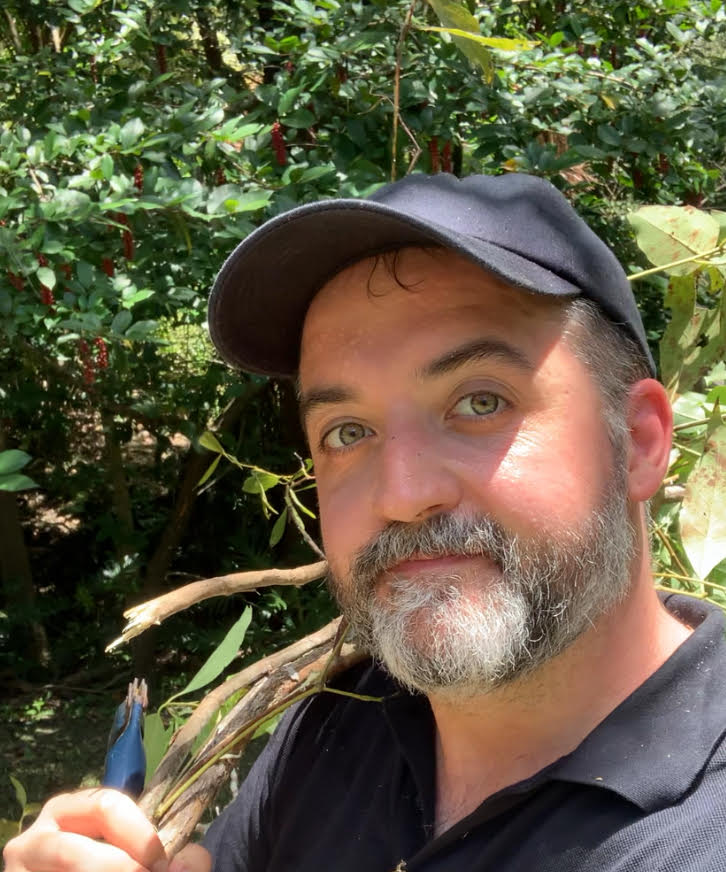
Welcome to the IWRC Board Joe! Can you share how and why you decided to jump in and contribute at the board level?
As involved as I am in the One Health Program at Wildlife Health Australia, as well as international collaboration, wildlife rescue, and rehabilitation, I saw strong alignment with IWRC and the work undertaken by the organisation. I first connected with IWRC in the lead up to the Wildlife Disease Association conference in Canberra in 2024 and was lucky enough to have the opportunity to meet IWRC Executive Director Kai Williams in person at the conference. Soon after, I met more of the IWRC team at the National Wildlife Rehabilitation Association symposium 2025 in Seattle, which really highlighted the strength of the organisation and the potential for meaningful contributions.
Since then, I have actively engaged in the content produced by IWRC and kept up to date with IWRC’s resources and initiatives. I’ve had the pleasure of attending and presenting two Coffee and Tea talks, and have enrolled in several of IWRC’s online courses, which I have found to be a highly valuable international resource. Their self-paced and online format makes them accessible, and they provide practical skills development in wildlife rehabilitation and health.
I was very excited to have the opportunity to join the IWRC Board and am looking forward to contributing a regionally-informed perspective to IWRC’s international work through Chairing the IWRC Board International Sub-Committee, supporting existing networks and opportunities for future collaboration, and helping to strengthen outcomes for wildlife and those that care for them, while highlighting the role of wildlife rehabilitators within the One Health framework.
So many of us can trace our passion for wildlife back to our childhoods. How did your personal relationship to this work develop?
Growing up in regional high-country Australia. I spent much of my time exploring bushland and swimming in rivers and lakes, so I was constantly immersed in nature in what felt like a very remote and largely untouched environment.
Like many rural communities, sport was also central to daily life, and my dad was the local cricket coach and my brother played, but I was never particularly drawn to it. I did however attend during weekend matches along with other family friends also involved in the team who were wildlife carers. While the games carried on, I sat watching them care for orphaned wombats, helping where I could, filling bottles, changing pouches and watching the dedication and round the clock work that was involved in raising orphaned wildlife.
Seeing firsthand the care, dedication, and importance of wildlife rehabilitation shaped my perspective from a young age and allowed me to view wildlife through a different lens and inspired me to go on and work in the wildlife welfare and health field.
Now, as an adult, how do you see your interests and goals intersecting with IWRC’s Mission?
Originally my wildlife rescue and rehabilitation journey was driven by a passion for conservation and improving community standards around wildlife welfare and shifting community attitudes toward wildlife.
Through my experiences however my perspective has broadened and through working across the wildlife and conservation sector, I have come to understand wildlife not just as something we protect, but as a critical part of the world we live in including the broader One Health system – an understanding that wildlife and livestock health, environmental health and human health and all interconnected and interdependent.
While those original values remain incredibly important to me, I have also developed a strong focus on advocating for rehabilitators as valuable contributors within the One Health framework working with others in animal health, public health and environmental health.
I am particularly motivated to strengthen how we listen to, support, and collaborate with rehabilitators, to improve standards for wildlife and rehabilitators and their valuable insight and practical experience helps to inform science, policy, and response.
Is there anything you’ve done in your career you are particularly proud of?
Though not a personal accomplishment, working in a wildlife emergency response service was a role that I was incredibly of, and it provided moments of that were both heartwarming and heart breaking every single day. Being a central point of contact for the community for sick, injured, and orphaned wildlife, and working closely with dedicated volunteers alongside an incredible team of passionate people, was an experience I was incredibly grateful for.
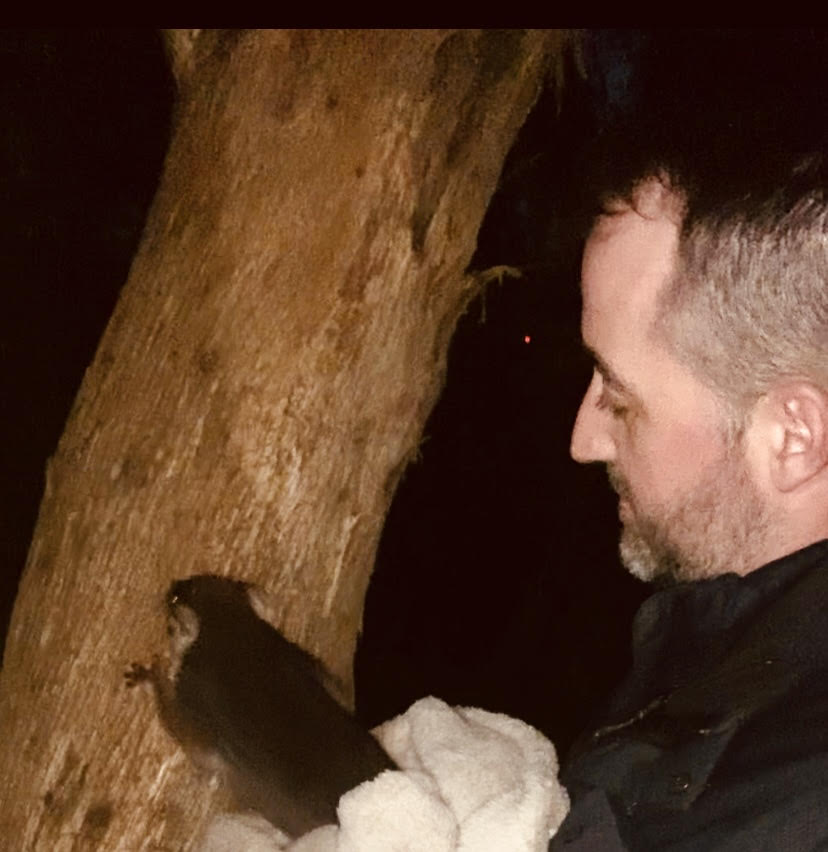
In this role, a time that I am particularly proud to have been a part of was the organisation and teams’ response to the 2019 and 2020 bushfire crisis in Australia, which had devastating and lasting impacts on local communities, the environment, and wildlife. The challenges faced during that time were significant and unprecedented. Through that devastation however, what stood out to me was the compassion of the community, the tireless efforts of response workers and volunteers, the resilience of the communities affected, and the extraordinary outpouring of support both locally and internationally. This is by no means my accomplishment, but it was a defining experience for me both personally and professionally and it showed me what is possible when people come together and what strength of community really looks like in the face of devastating circumstances.
Leave a Reply
You must be logged in to post a comment.